
Precast Panel Erection: How Crane Selection Impacts Precision and Project Success
05 February 2026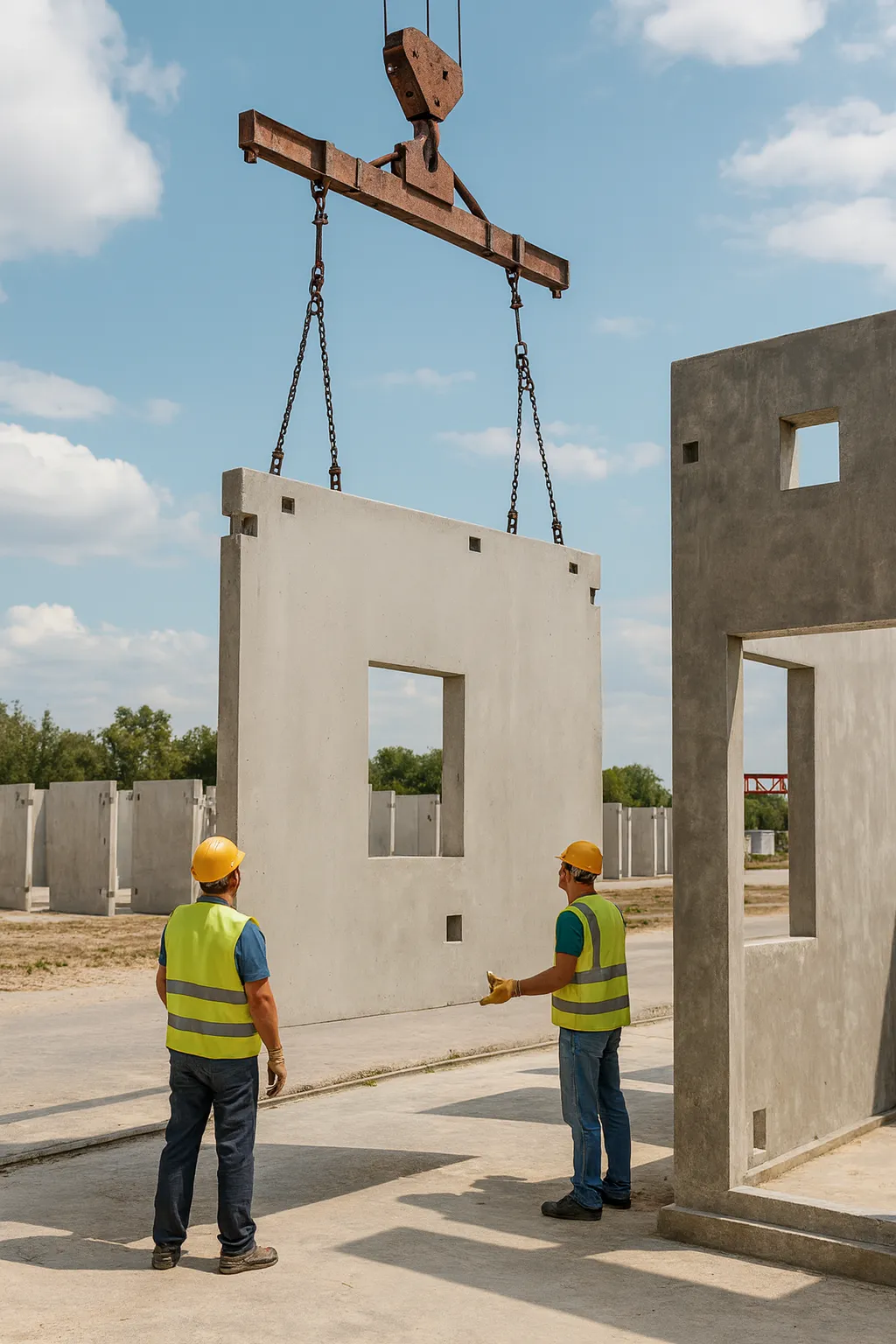 Optimise precast panel erection accuracy through QRSA in Sydney’s engineered lifting methods tailored for complex construction conditions and performance.
Precast construction depends on accurate lifting strategies, and precast panel erection demands a controlled approach to maintain structural alignment. This process requires equipment choices that support stability from lift-off to final placement. The exact crane pairing influences productivity, safety, and installation accuracy.
Crane Capacity and Lift Dynamics in Modern Construction
Engineered lifting plans define the performance limits for each crane model and guide operators in managing complex lift paths. Load charts, rigging configurations, and radius limitations shape how contractors evaluate lifting options. Efficiency improves once engineers match panel weight, reach requirements, and site geometry with the correct crane class.
Project constraints also influence crane selection. Elevated work zones, tight boundary lines, and nearby structures often require precision machines designed for limited swing spaces. Mobile hydraulic cranes and crawler cranes remain preferred for their stability and adaptability throughout sequencing.
Review the formal guidance from SafeWork SA for detailed compliance obligations.
Load Control Factors in Precast Panel Erection
Engineering assessments determine movement behaviour before installation begins, ensuring each panel responds predictably throughout the hoisting sequence. Lift modelling evaluates rotation, wind sensitivity, and load distribution across multi-point rigging arrangements.
Critical considerations for load control:
• Hoisting Stability: Equipment selection must maintain balanced movement throughout all stages of the lift.
• Rigging Geometry: Configurations require accurate load distribution to prevent rotation or structural stress.
• Ground Bearing Pressure: Crane pads and supporting surfaces must sustain the forces applied through outriggers or tracks.
• Operational Clearances: Lift paths must remain unobstructed to ensure controlled manoeuvring and safe panel placement.
• Environmental Limits: Wind speeds, temperature variances, and atmospheric effects influence lifting parameters and sequencing.
Crane Features That Improve Accuracy During Erection
Technical advancements significantly enhance lifting precision and placement predictability. Integrated monitoring systems help maintain correct positioning during complex hoisting movements. This section references the keyword precast panel erection.
Features that enhance placement precision:
• Load Moment Indicators: Digital systems maintain operational safety margins by monitoring real-time lifting limits.
• Boom Angle Monitoring: Sensor-based controls support consistent boom movement and alignment across extended radii.
• Hydraulic Fine-Control Functions: Precision hydraulics enable incremental adjustments for accurate vertical and lateral placement.
• Anti-Sway Technology: Automated stabilisation reduces unintentional movement and improves panel steadiness during hoisting.
• Remote Visual Guidance: Integrated camera systems improve situational awareness and enhance placement accuracy in restricted spaces.
Delivering Precision Through Advanced Lifting Solutions
Crane selection strengthens installation accuracy, sequencing efficiency, and site control, allowing precast systems to perform as designed.
QRSA delivers controlled and accurate precast panel erection in Sydney through engineered lifting methods that strengthen constructability. Our precision-focused crane strategies enhance installation consistency across varied site conditions. We provide the technical capability and equipment required for stable, safe, and reliable panel placement.
For project-specific lifting support or engineered solutions, contact us.
Related Blog Article: Precast Panel Installation Sydney: QRSA’s End-to-End Process Trusted by Top Australian Builders
Optimized by: Netwizard SEO